
August 18, 2024
Data Analytics in Real Estate Marketing: 12 Steps to Elevating Your Luxury Marketing A Luxury Real Estate Marketing Advisor’s Perspective Good analytics makes a marketing decision easier to explain. It

August 17, 2024
Work-life balance in real estate is partly a leadership and operating design question. Six KPIs connect margin, productivity, recruiting investment, pipeline movement, producer retention and cash coverage so leaders can

August 14, 2024
Leadership in a difficult luxury real estate market is measured by the operating conditions a team can rely on. Eight strategies replace emotional reactivity with cadence, facts, protection, integrity, listening,
August 13, 2024
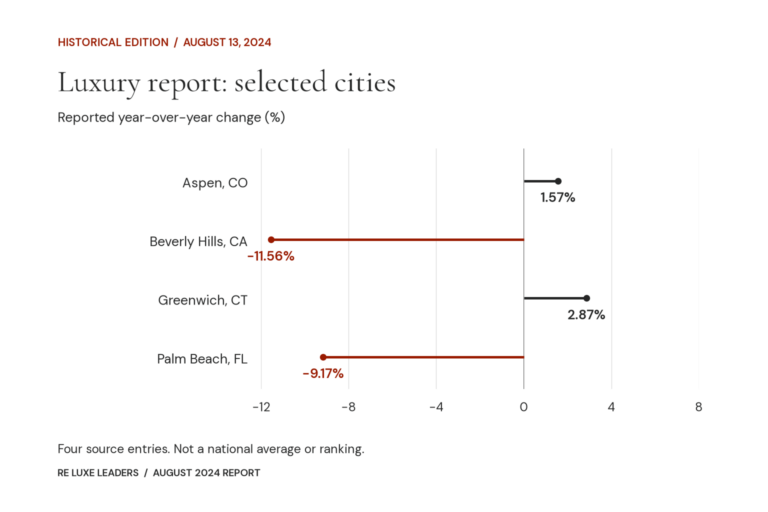
Read selected city-level figures from the August 2024 luxury real estate report, with source-page references and the complete original PDF.
August 13, 2024
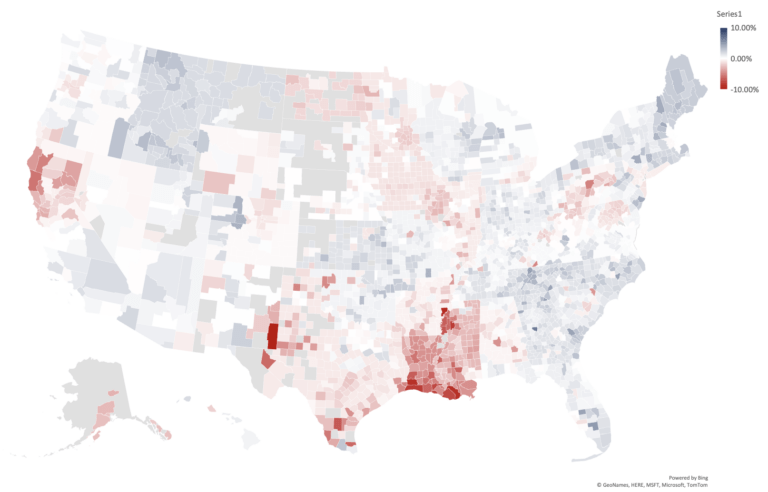
August 2024 National Real Estate Forecast: Key Insights and Trends Explore our National Real Estate Forecast for 2024 for comprehensive insights into the U.S. luxury real estate market. Stay

July 25, 2024
Most brokerages stare at dashboards that don’t move the P&L. Volume, sides, social followers—none of it pays the bills. If you’re building a durable firm, you need a short list

July 24, 2024
Top teams don’t win on talent and lead flow alone. They win because their operating cadence removes variance from execution. If your forecast swings by 30% month to month, if

July 22, 2024
Growth without infrastructure is fragility. Many leaders push volume, add agents, and expand footprint—then watch margins compress and service consistency break. If you’re fixing the same problems quarterly, you don’t
July 18, 2024
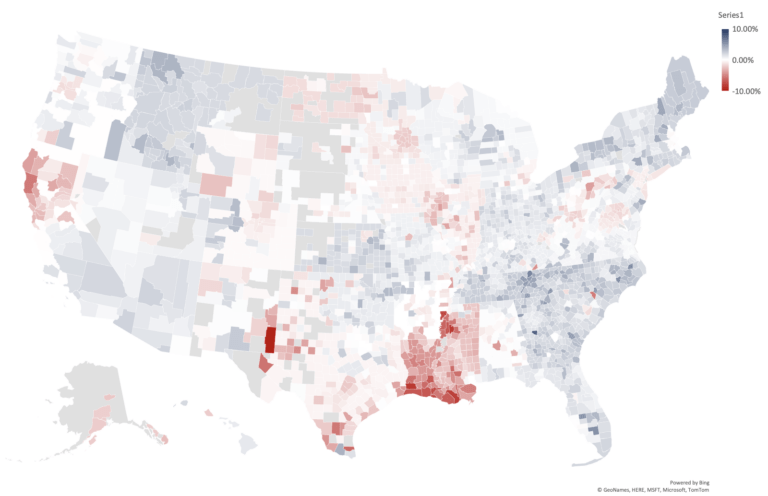
July 2024 National Real Estate Forecast: Navigating the 2024 Luxury Real Estate Market: Key Insights and Trends Explore our National Real Estate Forecast for 2024 for comprehensive insights into

July 15, 2024
Growth doesn’t stall because leaders lack ideas. It stalls because the firm lacks an operating cadence that turns ideas into accountable, recurring execution. If your weeks feel busy but your
