October 17, 2022
October 2022 luxury real estate report
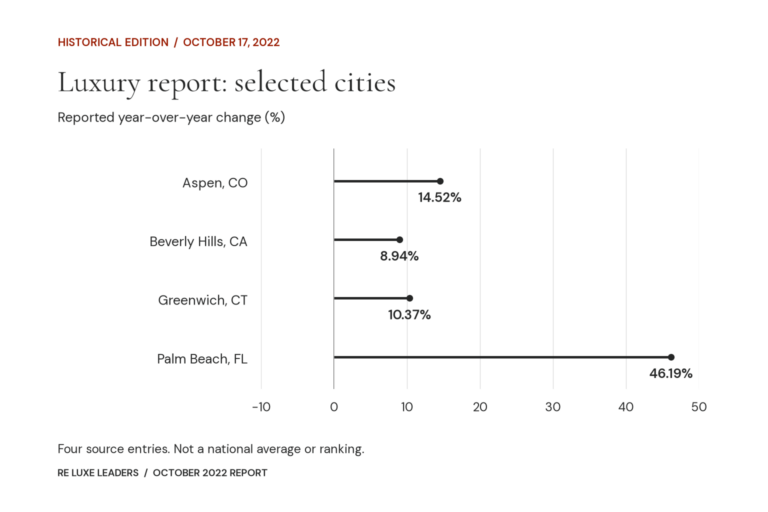
Read selected city-level figures from the October 2022 luxury real estate report, with source-page references and the complete original PDF.

Insights
Ideas, research and practical perspectives for established agents, team leaders and brokerage owners. Explore a subject or browse the latest writing.
October 17, 2022
Read selected city-level figures from the October 2022 luxury real estate report, with source-page references and the complete original PDF.
October 17, 2022
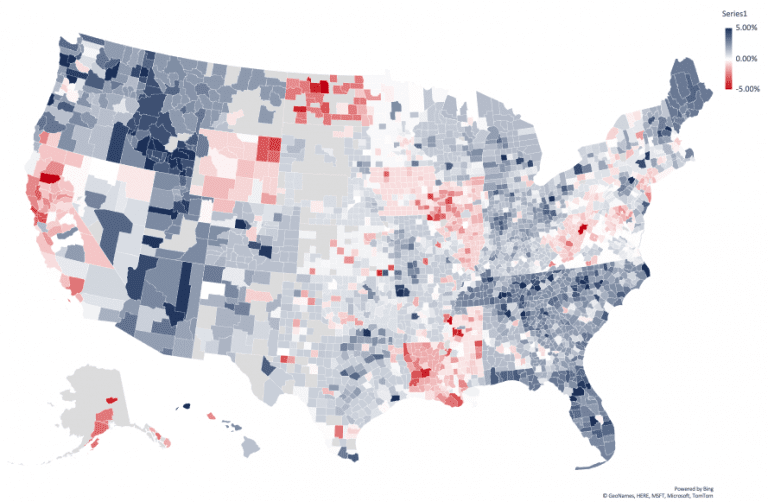
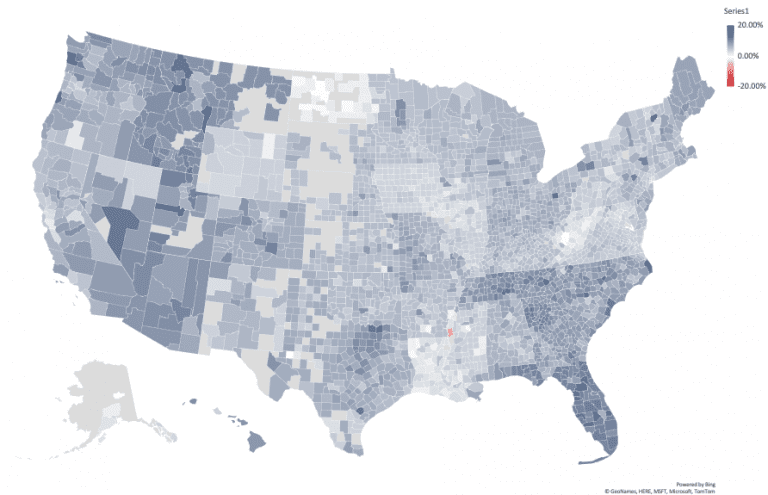
We present the RE Luxe Leaders Oct 2022 National RE Forecast Report down to the County. The data scientists are holding on the national real estate forecasts for the next 12 months.
September 26, 2022
4 Secrets to Recruiting Real Estate Agents to Boost Profitability Insights from a Real Estate Recruiting Coach Recruiting is easier to manage when it is treated as a connected operating
September 20, 2022
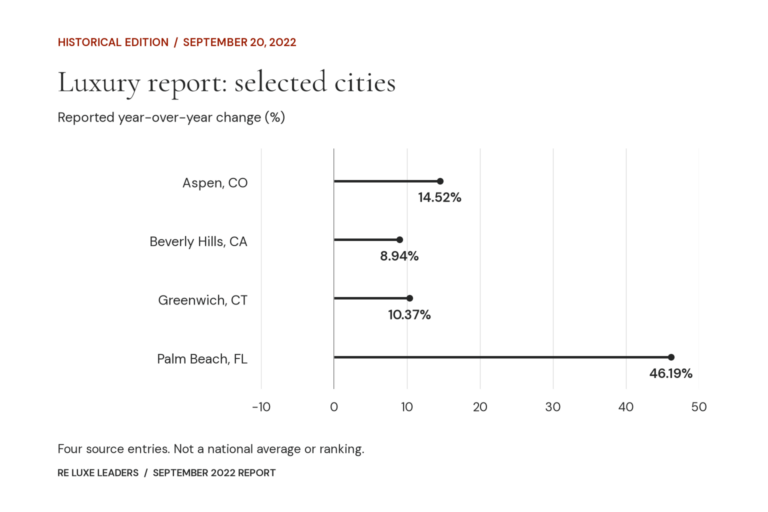
Read selected city-level figures from the September 2022 luxury real estate report, with source-page references and the complete original PDF.
September 20, 2022
We present the RE Luxe Leaders Sept 2022 National RE Forecast Report down to the County. The data scientists are holding on the national real estate forecasts for the next 12 months.
September 7, 2022
Team Accountability Secret Accountability becomes workable when a team can see the expected work, the current status and the next conversation. A simple operating rhythm gives people a fair chance
September 6, 2022
Skill Building vs Training Lecture can explain an idea, but changing how an agent behaves requires practice. Skill building puts the person into a realistic situation, gives them useful feedback
August 18, 2022
When Should Someone Start a Team? Starting a team changes the work, cost structure and responsibility of a successful agent. Before adding people, answer three questions about the reason for
August 18, 2022
Changing the Momentum in Your Team Team momentum changes when leaders make the next useful action visible and repeatable. A focused sprint can interrupt drift, expose unfinished handoffs and show
August 18, 2022
Building a Top Team A strong team needs both operating discipline and attention to how people learn, contribute and make decisions. Metrics and goals provide a useful frame; leadership turns