
Luxury Property Showing Strategies: Emotional Design That Wins Offers
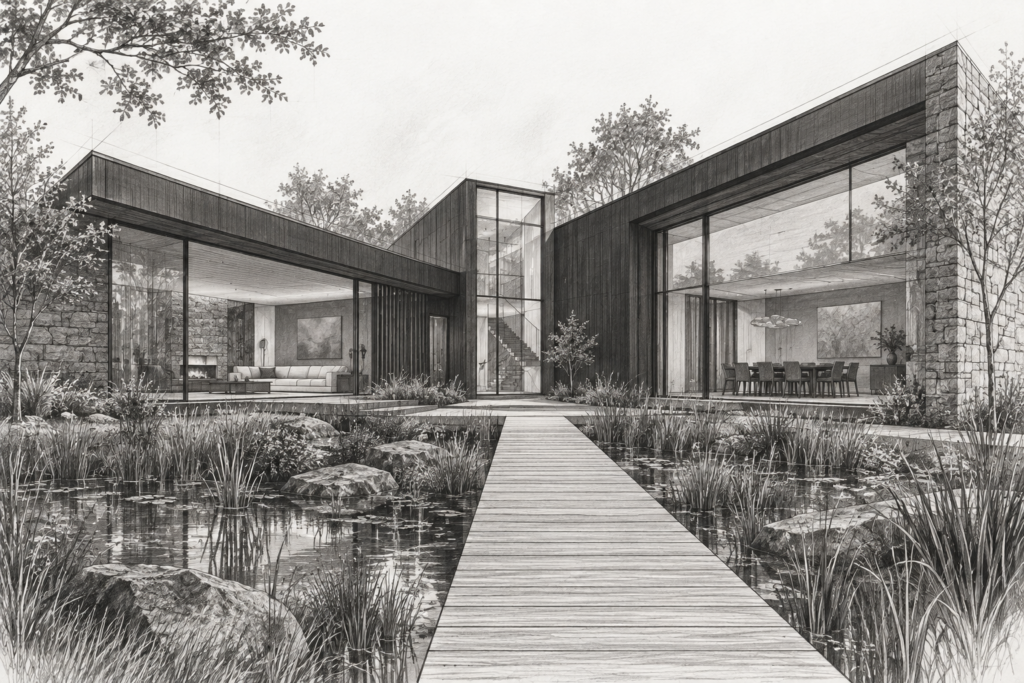
Luxury Property Showing Strategies: Emotional Design for Better Decisions
A luxury showing is a decision environment. The route, information, pacing and follow-up should help the right buyer understand the property while protecting the seller’s privacy and time. The aim is a clear next step, not a guaranteed offer.
Use the property’s actual strengths and the buyer’s stated priorities to design the experience. A quiet retreat, an entertaining house and a city residence may each need a different route, briefing and conversation.
1) Start with an experience thesis, not a tour plan
Write one sentence describing the experience the home can support: privacy, legacy, modernity, artistry, convenience or entertaining. Tie the sentence to features the property actually has, then choose the first view, the order of rooms and the moment that should remain in memory.
Do not make the thesis a promise about identity or status. It is a planning lens that helps the agent decide what to emphasize and what to leave for a later question.
2) Pre-qualify for intent and authority before you unlock the door
Qualification protects the seller and makes the showing more useful. Confirm who will attend, who needs to approve a decision, the buyer’s timing, relevant requirements and the property questions they want answered. Handle financial and personal information according to applicable rules and the buyer’s permission.
The 10-minute concierge call framework
Open with context: “To tailor the showing, I’ll ask a few quick questions.” Confirm attendees and decision authority. Ask what matters most among privacy, proximity, design, entertaining or another stated priority. Set the expected route and explain what information will be available afterward.
Keep the call short and record only what the team needs. If the buyer is not ready, offer a useful alternative such as a brief property pack or a later conversation rather than treating the inquiry as a failure.
3) Choreograph a sensory narrative around the buyer’s priorities
Begin with the moment that explains why this property may fit the stated priorities. A legacy home may earn an approach through a gate or garden. A penthouse may begin at the elevator threshold and its first view. A wellness-oriented house may begin with the quiet transition from street to interior.
The three-act showing route: arrival, ownership and legacy
Arrival: make the first minute calm and intentional. Check temperature, lighting, sound and scent neutrality against the home’s style.
Ownership: move through the practical questions: storage, staff flow, security features, controls, parking and the work required to run the household. Use confirmed property information and label what still needs a specialist answer.
Legacy: finish with a space or view that helps the buyer remember the property. Give them time to look, ask questions and compare the experience with their priorities.
Leave room for silence. A pause can be more useful than a stream of feature commentary.
4) Use technology to prepare decisions, not add noise
Digital material should answer a real question before or after the visit. A floor-plan overlay, short walkthrough, ownership-cost summary or FAQ can help an out-of-market buyer understand the property’s layout and open issues. Do not create a document that implies an unverified cost, feature or security condition.
The decision-compression asset stack
Before: send a concise brief with confirmed features, relevant comparables where permitted, the experience thesis and the questions the showing will address.
During: use a device only when it clarifies a plan, boundary, system or feature. Keep attention on the property.
After: send a recap tied to the buyer’s stated priorities, unanswered questions and an agreed next date. Route technical, legal or financial questions to the appropriate professional.
5) Lead the conversation like an advisor, not a narrator
Replace a list of features with a useful question. In the kitchen, ask how the household hosts. In the office, ask how privacy and connectivity should work. In the garden, ask how the space would be used across seasons. Reflect the answer, then connect it to a verified property feature.
Use a quiet observation when the buyer is thinking. The agent’s role is to sequence information, surface tradeoffs and make the next decision easier without manufacturing urgency.
6) Protect the seller experience while creating decision clarity
Agree on showing windows, attendee information, access rules and the seller update cadence before the visit. Share feedback in a consistent format: buyer priorities, open questions, follow-up requested and any factual correction needed.
Communicate scarcity only when it is real and permissioned. If there is no genuine deadline, create structure instead: a second showing with the buyer’s designer by a stated date, or a short call to compare options. Clarity creates momentum without gamesmanship.
7) Systematize follow-up so every showing becomes an asset
Capture what resonated, what stalled and what the buyer asked to see next. Use the record to improve the current conversation and the listing strategy, while keeping personal information limited to the agreed purpose.
The 24/72/7 follow-up cadence
Within 24 hours: send a tailored recap and two clarifying questions about priorities or timing.
Within 72 hours: provide one decision aid tied to an open question, such as a confirmed HOA detail, a property boundary or a relevant comparison.
Within 7 days: schedule the next useful step or close the loop respectfully. If the property is not right, offer two alternatives only when the buyer wants them.
Review the showing record with the seller at the agreed cadence. Distinguish market evidence from an individual buyer’s reaction and do not treat one visit as a market-wide conclusion.
Conclusion: luxury showings are a leadership skill
Strong luxury property showings combine a property-specific thesis, respectful qualification, a considered route, useful information and accountable follow-up. They protect the seller’s experience while giving the buyer room to decide.
Measure the parts your team controls, keep facts and assumptions separate and adjust the process when the property or client context changes. That is how a showing becomes a dependable service standard.
Request a complimentary one-hour conversation with a senior advisor who is an experienced operator. Talk through your next move.