
April 29, 2024
Adding people or markets before stabilizing economics, authority and infrastructure can create volume while compressing margin and slowing decisions. These seven operating-model decisions connect positioning, structure, compensation, talent, data and

April 28, 2024
Transaction volume, agent count and lead totals describe activity but do not explain whether a brokerage is profitable, liquid or operationally durable. This nine-KPI scorecard connects economics, productivity, pipeline quality,

April 19, 2024
Expert Strategies for Buyer Presentations and Agreements: Live Session Highlights Dive into the dynamic world of luxury real estate with Tim DeBellis and Sarah Werbelow as they share their expert

April 19, 2024
A buyer consultation earns trust when it makes the process, representation, compensation and next decisions clear. This source script is a conversational starting point for luxury real estate professionals; adapt

April 18, 2024
Growth exposes operational debt. More leads or headcount will not correct ambiguous roles, weak reporting, inconsistent pipeline management or uncontrolled spending. These six operating-system essentials connect strategy, data, pipeline, capacity,

April 13, 2024
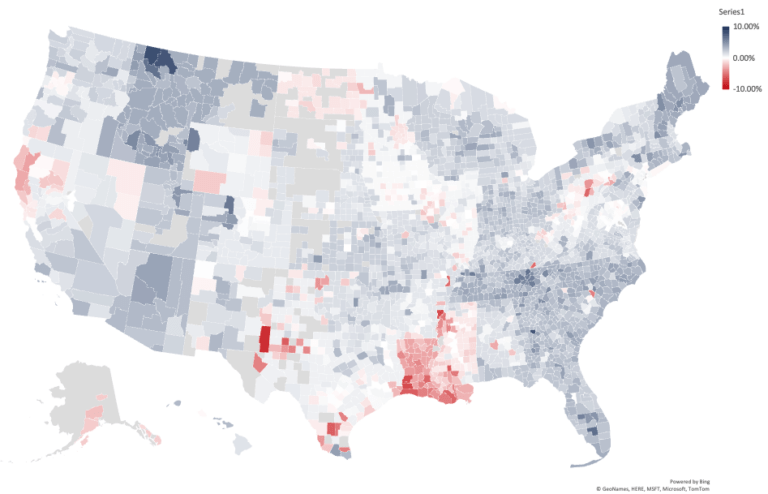
This dated May 2024 report describes variation across U.S. luxury markets, highlights emerging and cooling areas, and outlines a methodology for interpreting area-level trends. Use it as historical context for
April 13, 2024
April 2024 National Real Estate Forecast: Key Market Trends Top ZIP Codes for Luxury Real Estate Investment in 2025: Discover High-Growth Opportunities and Key Market Trends Explore our National

April 3, 2024
Revenue growth can conceal operating weakness. A brokerage may add agents and transactions while margins decline, leadership bottlenecks increase, and compliance exposure expands. Six connected components make growth more repeatable:

April 3, 2024
A high-performing brokerage can still lose value when financial visibility, decision rights, talent capacity, and execution cadence remain disconnected. The controls below put those areas into one operating model so

April 1, 2024
Growth exposes operating weakness. As transaction volume and headcount increase, inconsistent workflows create forecast gaps, service failures, compliance exposure, and margin erosion. The owner remains involved in routine decisions because
