
The Benefits of Using a Signature Logos in Real Estate

The Benefits of Using a Signature Logo in Real Estate
A Real Estate Marketing Consultant’s Perspective
A signature logo gives an individual agent a visual mark that can travel across a business card, website, listing presentation and social profile. It should support the agent’s identity and service promise while sitting comfortably beside a brokerage mark. The decision is easier when the brand’s audience, tone and practical uses are defined before anyone draws a concept.
What is a Signature Logo?
A signature logo is a personalized visual identity for an agent rather than a replacement for the brokerage’s identity. It may combine a drawn name, a wordmark or a restrained symbol. The useful test is whether the mark remains legible at small sizes, works in one color and feels consistent with the experience the agent intends to provide.
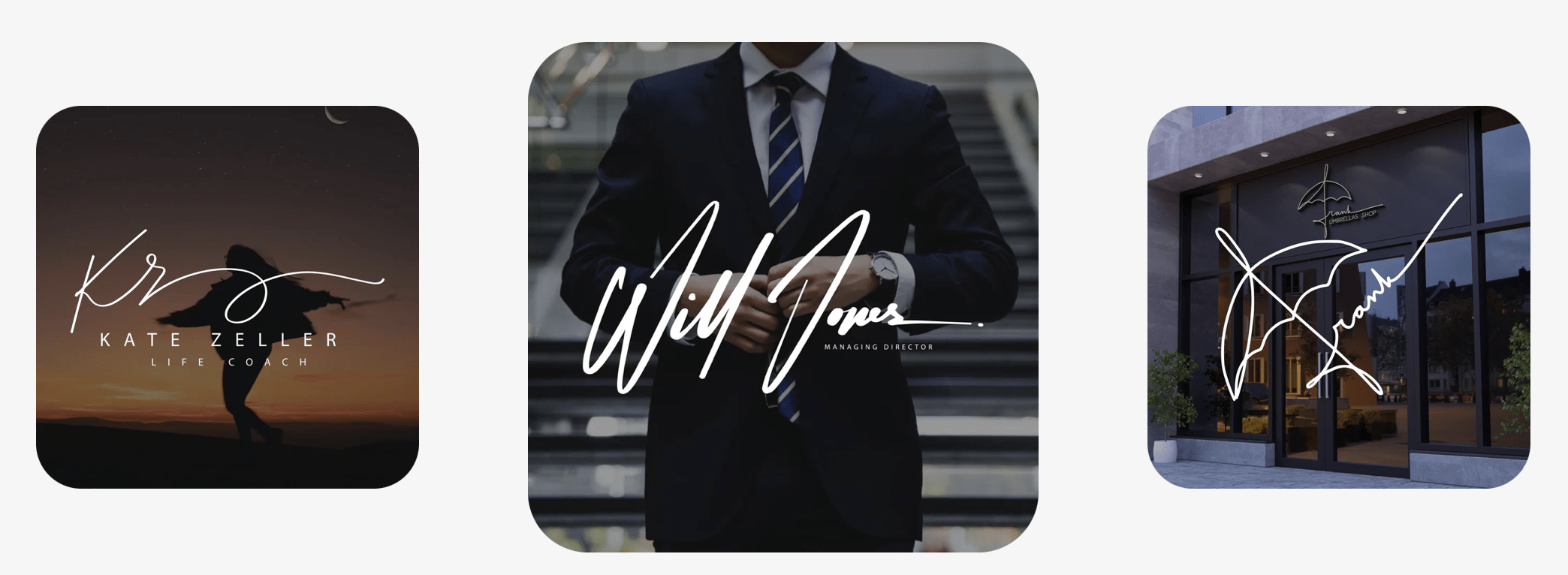
Benefits of Using a Signature Logo for Real Estate Agents
Establishes Brand Recognition
A consistent mark helps people recognize an agent across the places they already encounter the business. Recognition grows when the same name, contact path and service language appear together; a logo alone cannot create familiarity.
Adds Professionalism
A considered visual system can make materials feel prepared and easier to navigate. Pair the mark with accurate contact details, clear service language and a presentation that reflects the agent’s actual standards.
Differentiates from Competition
Distinctive typography or a restrained signature can help an agent avoid looking interchangeable. Differentiation should come from a clear point of view and useful service, with the logo acting as a cue rather than an unsupported claim of superiority.
Builds Brand Loyalty
Trust develops through repeated, reliable experiences. Use the same mark consistently while making sure the underlying service follows through on what the brand communicates.
Enhances Memorability
A simple mark with a clear silhouette is easier to recall than a crowded composition. Test it in the places clients will actually see it, including a small mobile header and a printed presentation.
Promotes Consistency
Create a short usage guide for color, spacing, size and background treatment. Give collaborators the same files and examples so a listing presentation, email and sign remain recognizably part of one identity.
Increases Visibility
Use the mark where it helps a client identify the sender or service, such as a website header, profile image, sign or document footer. Visibility is useful when it points to a clear next step and remains readable in context.
Offers Longevity
Choose a form that can age with the business. Avoid a trend-dependent treatment that requires a full redesign whenever the agent’s market, role or audience changes.
Scalability
Request vector artwork and a set of practical exports. Check the mark at favicon size, on a phone screen, in a presentation and on a sign before approving it. A logo that only works in one large format becomes a production problem.
Builds Brand Equity
Brand equity is built by the associations people form over time. A signature mark can support that work when the agent protects its consistency, delivers the promised experience and keeps the audience’s needs ahead of decoration.
Investing in a Professional Logo is a Smart Move
A professional design engagement can save rework when the brief is clear. Define the audience, applications, file formats, approval rounds and ownership terms before selecting a designer. The investment should be judged by whether the resulting system is useful and maintainable for the agent’s actual business.
How to Create a Signature Logo for Your Real Estate Business
Use the following steps to turn a personal brand idea into a usable brief.
Define your brand
Write down the audience, promise, service qualities and point of view the mark should support. Collect a small set of references and explain what each reference contributes without asking the designer to copy it.
Keep it simple
Prefer one strong gesture over a collection of symbols. Check contrast and legibility in one color before adding a palette or texture.
Choose the right colors
Choose colors that fit the intended audience and work beside the brokerage’s existing palette. Document accessible contrast and supply a black-and-white version so the mark remains useful in more than one setting.
Hire a Professional Designer
A designer can turn the brief into a system of marks, spacing rules and production files. Ask about process, revisions, licensing and handoff before the engagement begins. Related resources include RE Luxe Leaders and Artlogo.co.

Choose a mark that makes the agent’s work easier to recognize, easier to use and easier to review. For questions about a brand brief or service workflow, contact RE Luxe Leaders.
Request a complimentary one-hour conversation with a senior advisor who is an experienced operator. Talk through your next move.