
12 Proven Strategies for Mastering Personalization in Luxury Real Estate: Elevate Your Client Experience
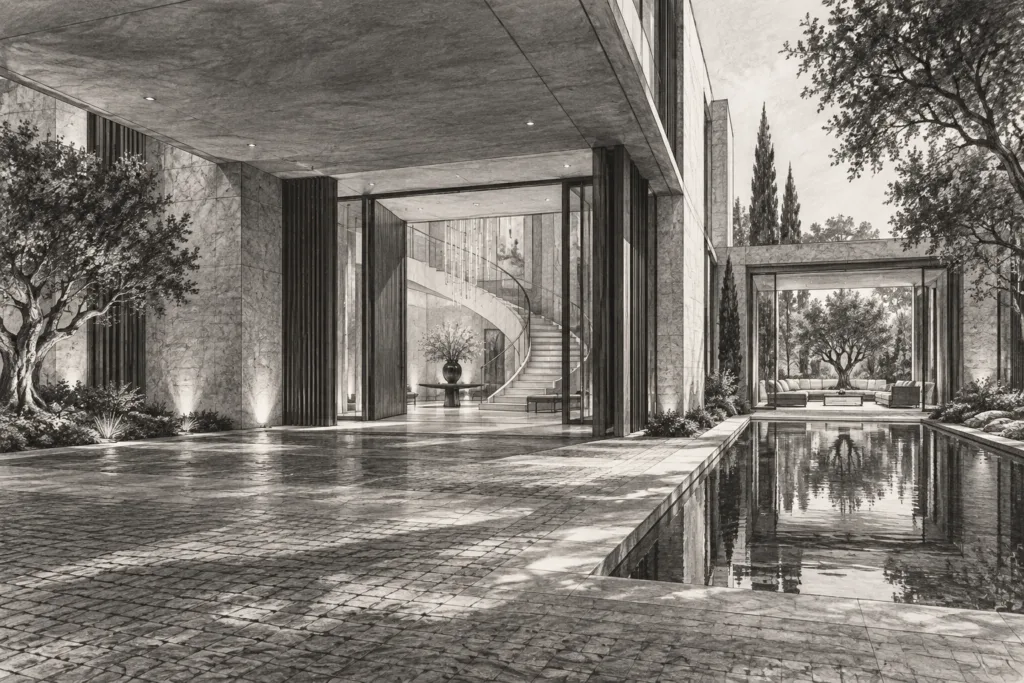
12 Strategies for Mastering Personalization in Luxury Real Estate: Elevate Your Client Experience
A Luxury Real Estate Marketing Consultant’s Perspective
Personalization is a service practice: listen to what a client has said, use it with permission, and make the next interaction more useful.
Luxury clients may expect a considered experience, but consideration starts with facts rather than assumptions. Ask what matters to the client, what constraints shape the decision, how they prefer to communicate, and who should be included. Record only the information needed for the agreed service and let the client correct it.
Personalization in Luxury Real Estate: Crafting Customized Client Experiences
Translate stated needs into an experience brief: property requirements, timing, decision participants, accessibility needs, communication preference, and the next question to resolve. Share the brief with the team and remove details that do not support the service. A tailored process should feel attentive without turning private information into a marketing asset.
Personalization in Luxury Real Estate: The Role of Personalization in Luxury Real Estate
Personalization is not a promise of a particular referral, repeat transaction, or satisfaction score. Its role is to reduce avoidable friction and help a client evaluate choices in their own terms. Measure whether the team followed the agreed preferences and answered the open question, then invite feedback.
Personalization in Luxury Real Estate: Understanding Your Client’s Unique Needs and Preferences
Use a discovery conversation and a short preference record rather than a speculative profile. Separate a stated preference from an inference, note the source and date, and ask before sharing it with a vendor or colleague. Social signals and browsing behavior are incomplete indicators and should not be used to infer sensitive traits or ability to buy.
Personalization in Luxury Real Estate: Crafting Tailored Marketing Messages
A tailored message can use a property feature, neighborhood question, or timing preference the client actually provided. Keep the call to action specific and make the opt-out easy. Test whether the message answered a need rather than merely adding a name or decorative detail. Record the channel and permission that support the contact.
Personalization in Luxury Real Estate: Delivering Unforgettable Experiences
Prepare a tour around the client’s stated priorities: sequence the homes, identify the feature to examine, and leave time for questions. A virtual or augmented view can help someone understand a space when it is clearly labeled as a visualization. It should complement a factual inspection and never imply an unverified finish, view, or amenity.
Personalization in Luxury Real Estate: Beyond the Transaction
After a closing or decision, confirm what follow-up is welcome. A useful check-in may share a relevant local resource, clarify a handoff, or ask whether a service issue remains. Respect the client’s chosen cadence and do not treat continued contact as an automatic endorsement.
Personalization in Luxury Real Estate: The Frontier of Luxury Real Estate Marketing
Digital tools can help organize content and timing, but the team must be able to explain how a recommendation was made. Keep human review for consequential messages, use current approved data, and give clients a route to correct or stop personalization.
Personalization in Luxury Real Estate: Building a Team that Embodies Personalization
A team culture shows up in handoffs. Use a shared service brief, assign one owner for the next action, and confirm that everyone understands the client’s communication preference. Review examples in coaching sessions, focusing on what the client said and how the team responded.
Personalization in Luxury Real Estate: Integrating Personalization in Operations and Service Delivery
Build personalization into the workflow: consent at intake, a preference update after major conversations, a handoff checklist, and a final confirmation before a message is sent. Limit access by role and set a retention period. Clear operating rules make a thoughtful experience repeatable without making it impersonal.
Personalization in Luxury Real Estate: Measuring the Impact of Personalization
Choose measures that connect to service: response quality, completion of agreed next steps, preference corrections, opt-outs, and client feedback. Compare like periods and state the sample size. A change in a metric can suggest a question; it does not prove that personalization caused a business outcome.
Personalization in Luxury Real Estate: Safeguarding Client Data
Collect less, protect more. Explain the purpose of each field, secure access, avoid copying sensitive details into informal channels, and remove data when the purpose ends. Review vendor permissions and honor requests to correct or delete information where applicable.
Personalization in Luxury Real Estate: Personalization Trends on the Horizon
Future practices may include richer preference centers, more accessible property tours, and better controls over automated communication. Evaluate each development for consent, fairness, accuracy, and a clear human owner before adopting it.
A personalized luxury experience is built from listening, permission, precise follow-through, and respectful boundaries. Those habits help a client feel understood while keeping the service grounded in what they actually asked for.
Request a complimentary one-hour conversation with a senior advisor who is an experienced operator. Talk through your next move.