



Top-producing brokerages rarely stall because they lack effort. They stall because growth exposes weak infrastructure: inconsistent standards, unowned metrics, fragmented tools, and decisions that still depend on the founder’s daily

Margins are being compressed from both directions. Lead costs remain high, agent compensation expectations have expanded, operating overhead has accumulated, and many brokerages are carrying technology, staff, and service costs

If production swings month to month despite strong talent, brand equity, and market presence, the issue is rarely effort. It is operating structure. Elite real estate firms do not scale
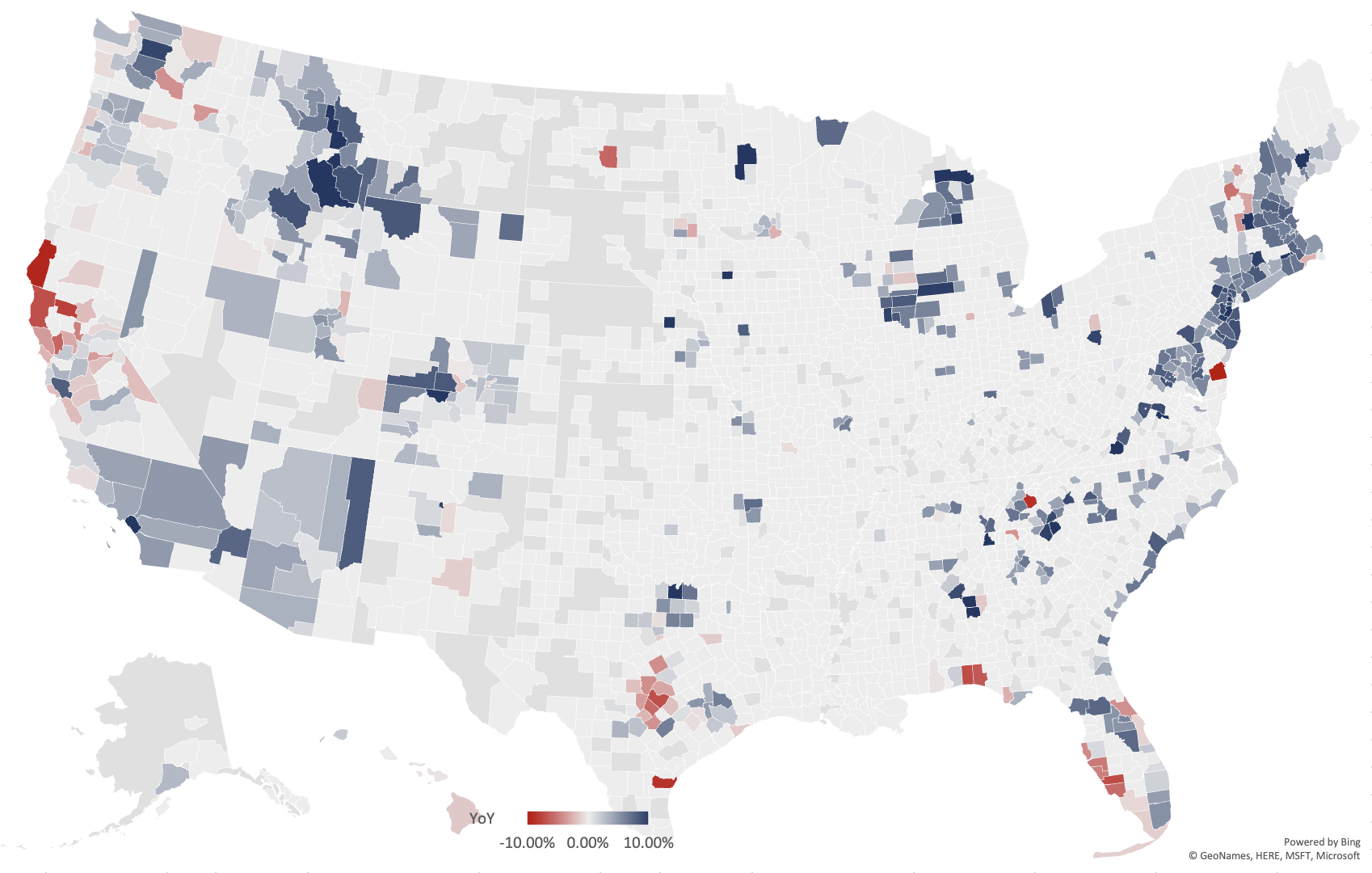
March 2024 Luxury Real Estate Report Explore the latest trends in the U.S. luxury real estate market with our newest report. Discover key insights into regional market dynamics, significant
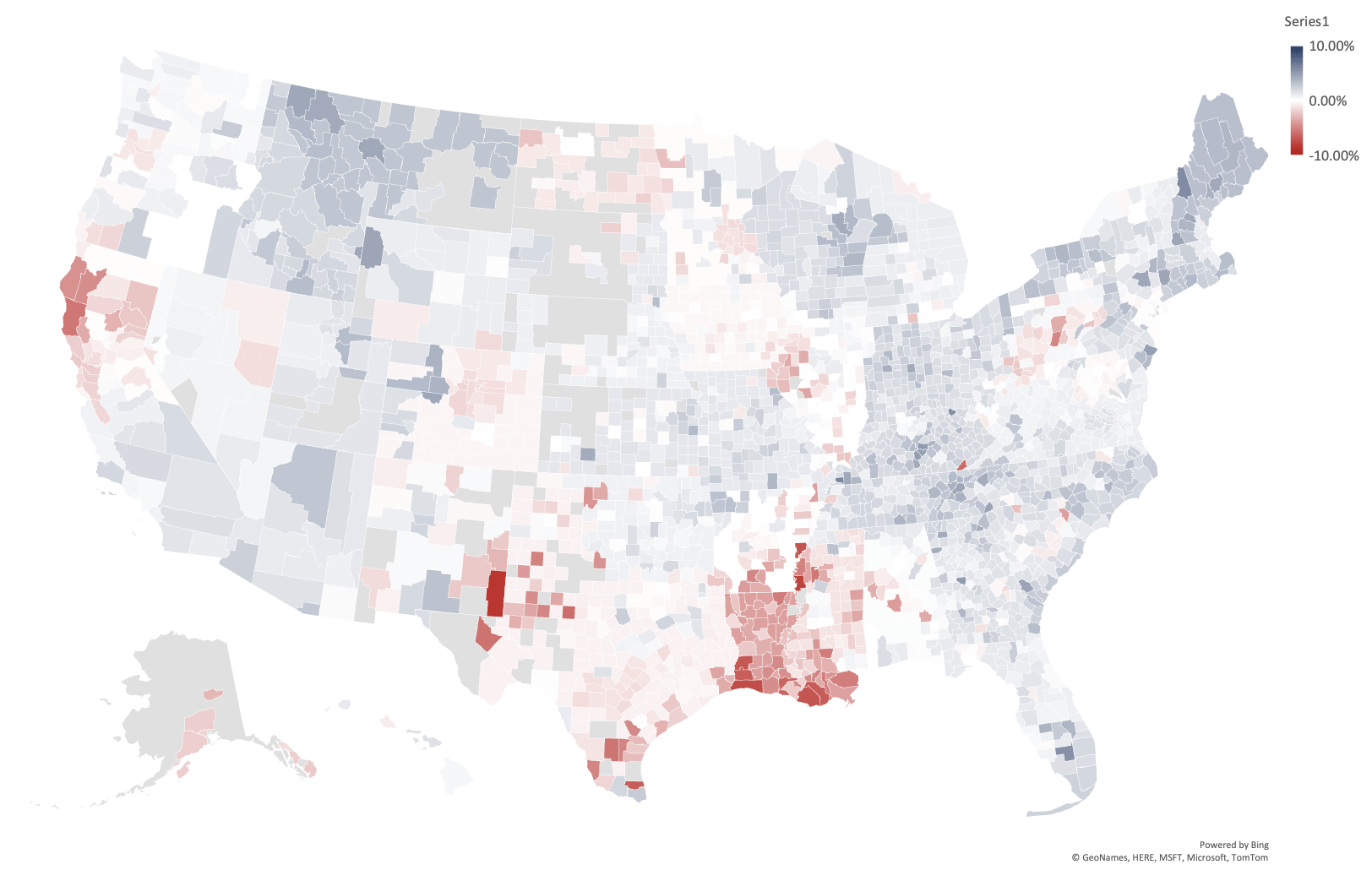
March 2025 National Real Estate Forecast: Insights and Trends for 2025 Explore our National Real Estate Forecast for 2025 for comprehensive insights into the U.S. luxury real estate market.

Most brokerage dashboards are crowded, slow, and inconclusive. Leaders stare at volume, sides, and GCI while profitability flatlines and top performers drift. The issue isn’t data scarcity—it’s signal quality. You

Growth without governance looks like momentum—until it doesn’t. Missed forecasts, unprofitable lead spend, and ad hoc hiring are not market problems; they are operating system problems. Elite firms run on

Top-producing firms don’t fail for lack of ambition; they fail from operational noise. Deals close, revenue lands, yet margins stall, service levels wobble, and leaders get pulled into firefighting. If

Most brokerage dashboards explain what already happened. GCI, closed units, agent count, and recruiting volume are useful records, but they do not tell an owner whether the firm is becoming

Top producers are not losing because they lack effort. They are losing margin, time, and decision speed because execution sits in too many heads and too few systems. When revenue